- Industrial biotechnology market today: estimated around $87 billion in 2025, with forecasts suggesting it could reach ~$150 billion by 2035, implying a 5–10% annual growth rate depending on the analyst. WiseGuy Reports
- Biggest growth engines right now:
- Sustainable industrial enzymes (for detergents, food, textiles, plastics recycling)
- Precision fermentation (for alternative proteins, fats, specialty chemicals)
- Bio-based chemicals and plastics
- Single‑use, modular biomanufacturing plants and AI‑designed enzymes. MDPI
- Fresh news (last few days):
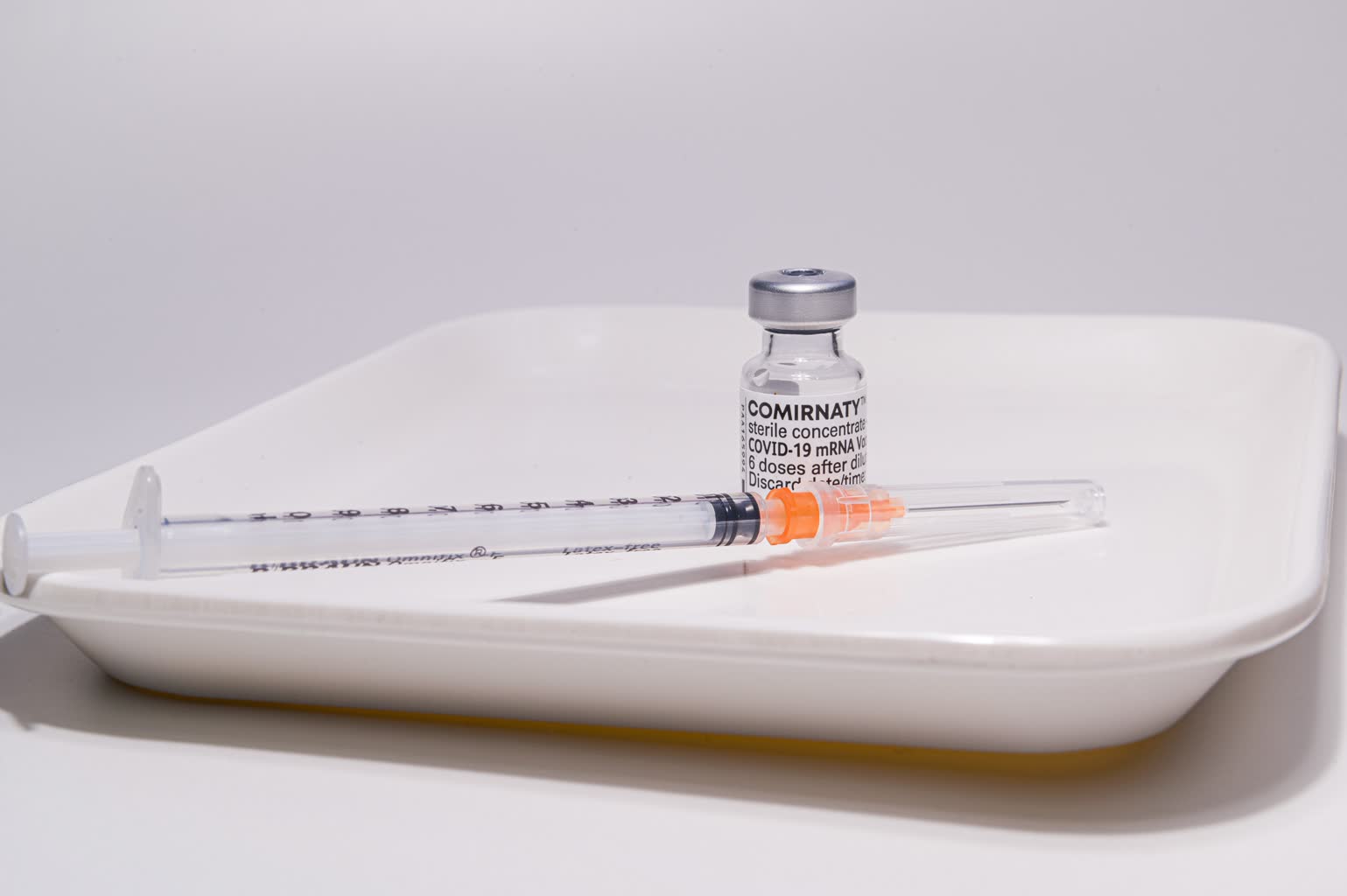
- Moderna is investing $140 million to complete end‑to‑end mRNA manufacturing in Massachusetts, onshoring fill‑finish and hundreds of biomanufacturing jobs. Reuters
- Congress has introduced the bipartisan Biomanufacturing Excellence Act of 2025 (H.R. 6089) to create a national biopharmaceutical manufacturing center of excellence. fdalawblog.com
- BioMADE and Iowa State University just broke ground on a $40 million biomanufacturing facility in Ames, Iowa, expanding the U.S. pilot‑plant network. BioMADE
- New market reports highlight sustainable enzymes and precision fermentation as two of the fastest‑growing segments in industrial biotechnology, driven by demand for low‑carbon, circular manufacturing solutions. Yahoo Finance
- Stock snapshot (U.S. market, latest trade Nov 22, 2025, UTC):
- Ginkgo Bioworks (DNA): $8.17 (+4.5%), a synthetic‑biology “platform” player for industrial and agricultural partners. industrialbio.ginkgo.bio
- Codexis (CDXS): $1.54 (‑1.3%), focused on high‑performance industrial and pharma enzymes. stockrow.com
- Danaher (DHR): $227.39 (+2.3%), a key supplier of bioprocessing equipment (Cytiva, Pall) that underpins industrial and pharma biomanufacturing. danaher.com
- Investment climate: after a funding surge in 2020–2021, synthetic biology (a core engine of industrial biotech) cooled in 2022–2023 but rebounded strongly in 2024, with venture investment hitting $12.2 billion vs $10.7 billion in 2023 — still well above pre‑pandemic norms. synbiobeta.com
- Policy and regulation:
- The National Security Commission on Emerging Biotechnology (NSCEB) calls this a “new industrial revolution” built on engineered biology. Biotech
- The International Union for Conservation of Nature (IUCN) has adopted the first global policy on synthetic biology and nature conservation, signalling closer scrutiny of environmental impacts. iucn.org
- U.S. legal blogs and policy trackers report a wave of November 2025 federal actions in biobased chemicals, biofuels, and industrial biotech, including new incentives and guidance. Mondaq
What is industrial biotechnology—and why does it matter now?
Industrial biotechnology (often called “white biotechnology”) uses living systems—microbes, enzymes, and cells—to make materials, chemicals, fuels, food ingredients, and other industrial products, often replacing fossil‑based or harsh chemical processes.
Instead of cracking oil in a refinery, industrial biotech companies run fermentation tanks and enzyme reactors that:
- Turn sugars, agricultural residues or captured CO₂ into chemicals and fuels
- Use engineered enzymes (biocatalysts) to run reactions efficiently at low temperature and pressure
- Manufacture proteins, polymers, and materials with high precision that traditional chemistry can’t easily deliver. MDPI
It sits at the intersection of:
- “Red” biotech: drug and vaccine manufacturing
- “Green” biotech: crops, agriculture, and environmental applications
- The bio‑based economy: making everything from plastics to detergents and food ingredients via biology.
The core promise is simple but radical: you get lower emissions, less waste, and often better performance, while using renewable feedstocks and increasingly circular processes like enzymatic recycling of plastics and textiles. futuremarketsinc.com
Why industrial biotechnology is in the spotlight this month
Over just the last few weeks, several stories have pushed industrial biotech into the news cycle:
- On‑shoring biomanufacturing:
- Moderna announced a $140 million expansion of its Norwood, Massachusetts campus to bring the final fill‑finish step of mRNA medicines in‑house, completing “the full manufacturing loop under one roof in the U.S.,” as CEO Stéphane Bancel put it. Reuters
- AstraZeneca is building a new clinical manufacturing facility in Gaithersburg, Maryland, reinforcing the U.S. Mid‑Atlantic as a biomanufacturing cluster. bethesdamagazine.com
- Novartis plans a $771 million expansion of its U.S. manufacturing footprint in North Carolina, with state officials touting how “North Carolina’s reputation in the life sciences industry continues to expand our biomanufacturing economy.” commerce.nc.gov
- New U.S. legislation:
- The Biomanufacturing Excellence Act of 2025 (H.R. 6089), introduced in mid‑November with bipartisan, bicameral support, would create a National Biopharmaceutical Manufacturing Center of Excellence—one of the key recommendations from the NSCEB report on emerging biotech. fdalawblog.com
- New infrastructure for industrial biotech:
- BioMADE, a public‑private partnership for domestic biomanufacturing, broke ground with Iowa State University on a $40 million pilot‑scale facility in Ames, designed to accelerate scale‑up of new bioprocesses and support rural economic development. BioMADE
- Market intelligence for enzymes and precision fermentation:
- A new Sustainable Enzymes Market 2026–2036 report characterizes sustainable enzymes as “one of the most dynamic and rapidly growing segments within industrial biotechnology,” highlighting applications in detergents, food processing, textiles, plastics recycling, and bio‑based chemicals. futuremarketsinc.com
- A Precision Fermentation Industry Research Report 2025–2035 finds that today food and beverages capture the largest share of precision fermentation demand (think animal‑free proteins and fats), while pharmaceutical applications are projected to grow fastest. GlobeNewswire
These stories all point in the same direction: governments are funding, companies are building, and analysts are publishing forecasts that assume industrial biotechnology will be a core pillar of manufacturing and climate strategy over the next decade.
Market size and growth outlook to 2035
How big is industrial biotechnology today?
Because “industrial biotechnology” cuts across multiple supply chains (chemicals, food, fuels, materials, waste), estimates differ. But recent sector‑specific research gives a reasonable picture:
- One dedicated industrial biotechnology market report estimates the sector at $82.3 billion in 2024, growing to $86.9 billion in 2025 and $150 billion by 2035, implying a 5.6% compound annual growth rate (CAGR). WiseGuy Reports
- Another analytics firm, using a somewhat broader definition, estimates ~9.95% CAGR from 2019–2033, underscoring that higher‑growth niches (like enzymes and precision fermentation) can pull up the average. Market Report Analytics
- For context, the global biotechnology market overall (including healthcare, agriculture, industrial, and bioinformatics) was about $373 billion in 2021 with projected growth around 15.5% CAGR to 2030, meaning industrial biotech is a large but still growing slice of the broader bioeconomy. acumenresearchandconsulting.com
What the experts say
The National Security Commission on Emerging Biotechnology, set up by the U.S. Congress, puts it starkly:
“We stand at the edge of a new industrial revolution, one that depends on our ability to engineer biology.” Biotech
Meanwhile, a major BIO / Kearney modeling study on the U.S. bioeconomy stresses that:
“Unlocking the full economic potential of food, agriculture, and manufacturing biotechnology requires robust policy support to drive innovation and value creation.” Biotechnology Innovation Organization
The takeaway: growth isn’t just about technology—it depends heavily on policy, infrastructure, and workforce.
The hottest segments inside industrial biotechnology
1. Sustainable enzymes: biology as the new “industrial catalyst”
Industrial enzymes are the workhorses of industrial biotech. They catalyze reactions for:
- Laundry and dish detergents
- Food and beverage processing
- Textiles (stonewashing, bleaching, fiber modification)
- Paper and pulp
- Biofuels (cellulosic ethanol, biodiesel)
- Animal feed, waste treatment, and more. MDPI
New reports emphasize a pivot from generic “industrial enzymes” to sustainable enzymes that:
- Reduce energy use and chemical inputs
- Enable enzymatic recycling of plastics and textiles
- Support circular economy models for materials. futuremarketsinc.com
Technology deep‑dives in these reports stress the role of protein engineering, directed evolution, metagenomic discovery, and computational design using generative AI to build enzymes with tailor‑made properties (temperature stability, solvent tolerance, substrate specificity). futuremarketsinc.com
Codexis (CDXS) is a good example of a pure‑play in this space, specializing in high‑performance enzymes and biocatalysts for pharma and industrial applications, and explicitly positioning its platforms as scalable, cleaner alternatives to traditional chemistry. Codexis
2. Precision fermentation: food, fats, and specialty molecules
Precision fermentation uses engineered microbes as tiny factories to produce specific molecules—proteins, fats, flavors, vitamins—with high purity.
Recent developments include:
- A precision fermentation industry report projecting strong growth out to 2035, with food & beverage currently the largest end‑user (driven by alternative proteins and sustainable ingredients) and pharma expected to grow faster than other segments. GlobeNewswire
- Technical articles describing how precision fermentation can produce structured edible fats that mimic those in chocolate or dairy, improving taste and texture in plant‑based foods. AIChE
- Coverage explaining how the same technology can make animal‑identical proteins using microbes instead of livestock, potentially slashing land use and emissions in the food system. foodunfolded.com
Industrial biotech players are also applying precision fermentation beyond food—for example, to coproducts in ethanol plants, boosting margins and diversifying revenue. ethanolproducer.com
3. Bio‑based chemicals, plastics, and materials
Industrial biotechnology is increasingly central to the bio‑chemicals and bioplastics agenda:
- An S&P Global Commodity Insights Bio‑Chemicals 2025 report outlines how bio‑based feedstocks like bionaphtha feed into polymer value chains and where bio‑derived intermediates are gaining ground. S&P Global
- Technical reviews show how platform molecules produced by microbes (e.g., lactic acid, succinic acid, 2,5‑FDCA) become building blocks for bioplastics, resins, and advanced polymers. AZoM
Key opportunities:
- Drop‑in bio‑chemicals that integrate into existing chemical plants
- New‑to‑world materials (e.g., enzymatically recyclable plastics, bio‑based composites) that exploit biology’s precision.
4. Biomanufacturing infrastructure & single‑use systems
Biomanufacturing is shifting toward modular, single‑use, and highly digital facilities:
- Companies like Danaher (through Cytiva and Pall) provide single‑use bioreactors, bags, tubing, and other disposable flow paths to make it faster and cheaper to build flexible bioprocessing lines. BioPharma APAC
- Single‑use systems are now standard for producing mAbs, vaccines, mRNA, viral vectors, and microbial products, enabling quick changeovers and smaller, distributed plants. Cytiva
Recent investment announcements—from Moderna, AstraZeneca, and Novartis to BioMADE’s Iowa facility—point to continued expansion of biomanufacturing capacity in North America, much of it using these modern, flexible platforms. AIChE
5. AI, automation, and process innovation
AI isn’t just writing protein sequences; it’s changing how factories run:
- The sustainable enzymes report singles out generative AI and deep learning as key tools for enzyme design and optimization. futuremarketsinc.com
- Ginkgo Bioworks explicitly markets itself as an “industrial biotech platform”, using high‑throughput strain engineering, automation, and data science to engineer cells, proteins, and metabolic pathways for partners across chemicals, agriculture, and materials. industrialbio.ginkgo.bio
- MIT researchers recently demonstrated an enzyme‑free electrochemical method to detach cells from culture surfaces, potentially improving efficiency and viability in cell‑based manufacturing and reducing reliance on expensive enzymes. MIT News
Policy, regulation, and biosecurity: the rules are catching up
Industrial biotechnology doesn’t exist in a vacuum. It’s shaped by safety, environmental, and strategic concerns.
Global environmental governance
- In October 2025, the IUCN adopted its first global policy on synthetic biology and nature conservation, aiming to guide how new biotech applications interact with biodiversity and protected ecosystems. iucn.org
This reflects growing recognition that industrial biotech must be aligned with conservation goals, especially when using engineered organisms in open environments or recycling streams.
U.S. biosecurity and standards
- Policy experts at the Nuclear Threat Initiative (NTI) argue that Congress should fund a Center for AI Standards and Innovation (CAISI) at NIST to develop technical safety standards for AI‑enabled biology, in collaboration with industry and scientific experts. The Nuclear Threat Initiative
- Legal commentators highlight how the Biomanufacturing Excellence Act would implement NSCEB recommendations by creating a national center of excellence dedicated to biopharmaceutical manufacturing—potentially a template for industrial biotech more broadly. fdalawblog.com
Biobased chemicals and industrial biotech regulation
A recent federal developments roundup notes that November 2025 saw multiple legislative and regulatory moves in biobased chemicals, biofuels, and industrial biotechnology, tracked via specialized legal blogs on biobased and sustainable chemicals. Mondaq
Taken together, these signals suggest:
- More structured incentives and funding, especially for on‑shoring and strategic supply chains
- More explicit safety and environmental standards, especially at the interface of AI and biology
- A likely tightening of oversight for deployments that affect ecosystems, waste streams, or critical infrastructure.
Investment and funding landscape
Synthetic biology as a leading indicator
Industrial biotech is tightly coupled to synthetic biology, since many industrial applications rely on engineered organisms.
According to SynBioBeta’s 2025 Investment Report:
- Funding surged from 2020 and peaked in 2021, then cooled in 2022–2023.
- In 2024, the sector rebounded strongly, with venture investment reaching $12.2 billion year‑to‑date, up from $10.7 billion in 2023, and well above pre‑pandemic levels. synbiobeta.com
SynBioBeta’s CEO John Cumbers and collaborators describe this as evidence of renewed investor confidence, but with more selective capital focusing on companies closer to product and revenue, particularly in biomanufacturing, materials, and food.
Thematic capital flows
- Sustainable enzymes and biocatalysis (high growth, clear ESG narrative)
- Precision fermentation for food, cosmetics, and pharma
- Biobased chemicals and plastics as part of decarbonization strategies
- Biomanufacturing infrastructure (single‑use equipment, CDMOs, modular plants)
- Data‑ and AI‑driven platform companies that can serve multiple verticals.
Stock market snapshot: industrial biotech and enablers
(All prices in USD, as of the latest trades on Nov 22, 2025, UTC.)
Ginkgo Bioworks (DNA)
- Price: $8.17 (intraday high $8.44, low $7.80)
- Profile: A synthetic‑biology “foundry” that engineers cells and enzymes across industrial, agricultural, and healthcare applications. industrialbio.ginkgo.bio
- Recent developments:
- Extended a multi‑year strategic partnership with Bayer to accelerate next‑gen biological solutions for agriculture, including crop protection and nitrogen fixation. PR Newswire
- Received a $22.2 million BARDA BioMaP award with partners to reinvent monoclonal antibody (mAb) production and strengthen U.S. biomanufacturing resilience. News
- Q3 2025 revenue fell to $39 million, down from $89 million a year earlier, reflecting a 56% drop as the company pivots toward AI‑driven partnerships and platform efficiency. Market Chameleon
Investment implication: high‑beta platform stock—strategically central to industrial biotech but exposed to revenue volatility and funding cycles.
Codexis (CDXS)
- Price: $1.54 (intraday high $1.625, low $1.52)
- Profile: Specializes in high‑performance enzymes and biocatalysts for pharma manufacturing, RNA therapeutics, and industrial processes—essentially a pure‑play sustainable enzyme company. Codexis, Inc.
Investment implication: a smaller, more specialized player tightly aligned with the sustainable enzymes megatrend, but likely sensitive to customer concentration and R&D risk.
Danaher (DHR)
- Price: $227.39 (intraday high $228.53, low $222.21)
- Profile: A diversified life‑sciences group whose Cytiva and Pall businesses supply bioreactors, filtration, and single‑use systems; Danaher has previously moved to merge these into a “bioprocess juggernaut” with one of the broadest end‑to‑end portfolios in the sector. Pall
Investment implication: a picks‑and‑shovels play—less directly exposed to any one industrial biotech product, and more to the overall growth of biomanufacturing capacity.
Note: None of this is investment advice; it’s a snapshot of how public markets currently price a few representative industrial‑biotech and enabling companies.
Five‑ to ten‑year outlook: scenarios for industrial biotechnology
Combining the market forecasts, policy moves, and recent investment trends, here’s a scenario‑based view out to about 2035.
Base case (most likely): steady mainstreaming
- Growth: Overall industrial biotech market grows roughly 5–8% per year, consistent with mid‑range forecasts. WiseGuy Reports
- Enzymes & precision fermentation: remain the fastest‑growing segments, with many applications achieving cost parity or advantage over petrochemical routes in detergents, textiles, food ingredients, and select specialty chemicals. AIChE
- Infrastructure: Onshoring and capacity build‑out in the U.S. and Europe continue, driven by supply‑chain resilience and industrial policy (e.g., Biomanufacturing Excellence initiatives, NSCEB recommendations). Biotech
- Policy: Environmental and biosecurity frameworks mature, with clearer guardrails for synthetic biology, and incentives for low‑carbon, circular bio‑manufacturing alongside stricter data and safety standards. iucn.org
Bull case: biology as a dominant manufacturing platform
Conditions:
- Carbon pricing and climate policy tighten faster than expected.
- AI‑driven enzyme and strain design dramatically reduce R&D cycles. futuremarketsinc.com
Implications:
- 10–12%+ annual growth for industrial biotech; bio‑based routes capture large shares of plastics, solvents, surfactants, and specialty chemicals.
- Precision fermentation becomes a standard tool for high‑value ingredients as well as some bulk intermediates. GlobeNewswire
- Major chemical companies increasingly outsource biology to platform players (Ginkgo, Codexis, others) or build in‑house biofoundries. industrialbio.ginkgo.bio
Bear case: capital, feedstocks, and regulation bite
Risks:
- Interest rates and capital markets shift unfavorably, making it harder to fund capital‑intensive fermentation plants.
- Feedstock costs (sugars, biomass) rise or face sustainability constraints.
- Regulatory or public‑acceptance concerns slow deployment of synthetic biology in food or environmental applications.
In this scenario:
- Growth slows to low single digits, and industrial biotech is largely confined to high‑value niches (pharma intermediates, specialized enzymes) rather than displacing bulk petrochemistry at scale.
Realistically, different verticals may follow different paths: enzymes and pharma biocatalysis look close to the bull case, while bulk biofuels and large‑volume commodity chemicals face tougher economics and infrastructure hurdles. Yahoo Finance
What to watch in the next 12–24 months
For readers tracking industrial biotechnology more closely, these signposts will be critical:
- Policy implementation, not just announcements
- Does the Biomanufacturing Excellence Act (or similar bills) pass, and how quickly does a center of excellence stand up? fdalawblog.com
- How do regulators translate the IUCN synthetic biology policy into practical guidance for industrial and environmental applications? iucn.org
- Cost curves for enzymes and fermentation
- Watch data on AI‑assisted enzyme design and process intensity (g/L, productivity)—if they improve quickly, many borderline industrial cases become viable. MIT News
- Precision fermentation unit economics
- Evidence of profitable, scaled production for food ingredients, fats, or specialty molecules will signal a move out of the hype phase. foodunfolded.com
- Uptake of bio‑based chemicals by big industry
- Agreements between industrial biotech firms and large chemical, packaging, and consumer‑goods companies will show whether bio‑based routes are winning contracts at scale. PR Newswire
- Capital‑market sentiment
- The next two years of venture totals and IPO/M&A activity in synthetic biology will shape how aggressively companies can build plants. synbiobeta.com
Industrial biotechnology is no longer a niche—it is embedding itself into the foundations of manufacturing, from enzymes in your laundry detergent to bioreactors making vaccines, food ingredients, and advanced materials. The combination of policy support, AI‑accelerated R&D, and a push for resilient, low‑carbon supply chains suggests that over the coming decade, you’ll hear a lot less about “refineries” and a lot more about “biofactories.”